Our Lives can be stressful. Our Health shouldn't be
At Amaranth, our nutritional therapists,natural beauty experts and holistic health practitioners can give personalised advice that is right for you, your budget and wellbeing. So you can forget the overwhelm and feel content with your health.
Amaranth is one of my favourite natural health and wellbeing shops to go to in the UK. The range of health brands and natural beauty is incredible and the personalised service I get in there for any health query I have is second to none. It's my one stop shop for everything to do with health and I love how I can speak to a nutritionist to make sure that the products I'm getting are right for me. It's basically my dream shop come to life in Manchester!
Ailish Lucas. The Glow Getter
Super Quick Delivery
Fabulous communication, service and super quick delivery of quality items! Thank You Team Amaranth!
S Hughes, Manchester
Personal touch and incredible knowledge
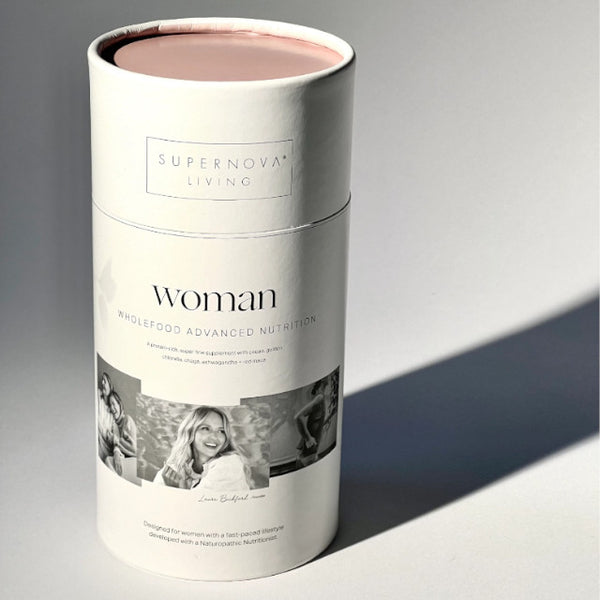
We were recommended look into Amaranth through a mutual friend and we're so glad we did. The support of such a high end, quality, Health Store is incredible. We particularly appreciate the personal touch and incredible knowledge that Joanne and her staff have not just on Supernova but all products. It's something that you just don't get in large stores or supermarkets . We're so grateful to be working with such a great company and Joanne
Laura Beckford (Presenter) & Jermaine Beckford (Footballer). SuperNova Brand Owners
As Seen In
Look Good, Feel Great Now
Step 1: Book a free health or skincare review
Talk to a nutritional therapist or natural skincare esthetician in a free 15 minute one to one consultation.
I believe that you shouldn’t have to compromise on your health. Which is why I created Amaranth over 8 years ago to give everybody the opportunity to get personalised recommendations for every budget.
90% of people are worried about an aspect of their health right now
Amaranth are here to help.
Whether you are worried about your skin, your hormones, or your digestion you can ask ask the team online or in store and we will have solutions to aid your condition and bring contentment.
We have registered nutritional therapists, health advisors, complementary therapists and natural beauty experts.
Sleep is one of the most powerful pillars of health, yet it is also one of the most commonly disrupted. Research suggests that around one in three adults struggle with sleep, whether that’s difficulty falling asleep, waking during the night, or waking feeling unrefreshed.
As a nutritional therapist working with clients in clinic, I see how profoundly sleep affects overall wellbeing. Poor sleep doesn’t just leave us tired the next day, it can influence hormonal balance, mood, blood sugar regulation, weight management and immune resilience.
For example:
Short sleep duration is associated with increased cortisol and insulin resistance
Sleep deprivation alters ghrelin and leptin, hormones that regulate appetite
Chronic sleep disruption is linked with higher inflammation and reduced immune function
While improving sleep habits is always the foundation, certain nutrients and botanicals can provide valuable support by helping regulate the nervous system, circadian rhythm and stress response.
At Amaranth Wellbeing, these are three of the supplements we most commonly recommend in clinic because they are well-formulated, evidence-informed and consistently receive positive feedback from clients.When considering supplements to support sleep, we always take the view that they are not designed to knock you out, instead, the goal is to support the systems that regulate sleep naturally:
The circadian rhythm
The nervous system
The stress response
Blood sugar stability overnight
The right supplement for you will depend on your contributing factors so please do contact us and we can offer specific individualised advice or book a free review appointment.Also read on for life stage suggestions as these must come first, supplements are just one part of the picture.
1. Magnesium Bisglycinate – Supporting Relaxation and the Nervous System
One of the most common nutrient deficiencies I see linked to poor sleep is magnesium insufficiency. Magnesium plays a role in over 300 enzymatic reactions in the body and is particularly important for the nervous system. It helps regulate neurotransmitters involved in relaxation, including GABA (gamma-aminobutyric acid), which quietens brain activity and promotes sleep.
This form combines magnesium with the amino acid glycine, creating a compound that is:
Highly bioavailable (well absorbed)
Gentle on digestion
Less likely to cause the laxative effect associated with some other magnesium forms
The role of glycine
Glycine itself has sleep-supportive properties. Research suggests glycine may:
Help lower core body temperature, a key signal for sleep onset
Improve sleep quality and next-day alertness
Support calming neurotransmitter pathways
Magnesium supplementation has also been shown in clinical studies to improve sleep time, sleep efficiency and early morning waking, particularly in individuals with poor sleep quality.
2. Magnesium plus L-Theanine and phytonutrients.
Some people need more than just magnesium, especially if their sleep issues are linked to a busy mind, stress or difficulty switching off at night.
A formula such as NaturesPlus Magnesium Night Time. combines several evidence-supported ingredients that work synergistically.This formula includes :
Magnesium Glycinate
As mentioned magnesium supports, nervous system relaxation, reduced muscle tension, GABA activity for sleep readiness
L-Theanine
L-theanine is a naturally occurring amino acid found in green tea.
Research shows it can:
Promote alpha brain wave activity, associated with a relaxed yet alert mental state
Reduce perceived stress
Support sleep quality without sedation
Unlike many sleep aids, L-theanine does not cause drowsiness during the day, making it helpful for those who feel mentally “wired” at bedtime.
Black Cherry Extract
Black cherry provides a natural source of melatonin, the hormone that regulates the sleep–wake cycle.
Melatonin production naturally rises in the evening when light exposure decreases. However, modern lifestyles, particularly late-night screen exposure and irregular sleep patterns, can disrupt this process.Small clinical trials have found that tart cherry consumption may increase melatonin levels and modestly improve sleep duration and quality.
3. Adaptogenic Herbs for Stress-Related Sleep Problems
Many sleep issues are not caused by a lack of sleep hormones but by an overactive stress response.When cortisol remains elevated in the evening, the body stays in a “fight-or-flight” state, making it difficult to transition into sleep.
Herbal adaptogens can help regulate this response. A blend such as Herbtender Doze & Dream contains several botanicals traditionally used to support relaxation and resilience.
Reishi Mushroom (Ganoderma lucidum)
Reishi has been used in traditional medicine for centuries and is classified as an adaptogen, meaning it helps the body adapt to stress. Emerging research suggests reishi may:
Support parasympathetic (rest-and-digest) activity
Reduce fatigue
Improve sleep quality in individuals experiencing stress
Ashwagandha (Withania somnifera)
Ashwagandha is one of the most researched adaptogens.Clinical trials have shown it may:
Lower cortisol levels
Improve sleep onset and sleep efficiency
Reduce symptoms of stress and anxiety
Standardised extracts have demonstrated measurable improvements in sleep quality in adults experiencing stress-related insomnia.
Chamomile
Chamomile has long been used as a calming evening herb. It contains apigenin, a compound that binds to benzodiazepine receptors in the brain, helping promote relaxation and sleepiness. Clinical research suggests chamomile may help improve sleep quality, particularly in individuals experiencing mild insomnia or anxiety.
Additional Evidence-Based Tips for Better Sleep
Supplements work best when combined with healthy sleep habits.
1. Set Your Circadian Rhythm with Morning Light
Exposure to natural daylight within 30 minutes of waking helps regulate melatonin production later in the evening.Aim for 10–20 minutes of outdoor light each morning.
2. Reduce Evening Blue Light
Blue light from phones, tablets and laptops suppresses melatonin production.
Dim lights in the evening
Stop screen use 60–90 minutes before bed
Use warm lighting in the evening
3. Stabilise Blood Sugar
Blood sugar dips overnight can trigger adrenaline and cortisol release, leading to 3–4am waking.
Helpful strategies include:
Eating a balanced evening meal with protein and healthy fats
Avoiding high-sugar desserts late at night
Limiting alcohol, which disrupts sleep cycles
4. Create a Wind-Down Routine
The body needs signals that it is time to transition from activity to rest.
Helpful habits include:
Herbal tea
Gentle stretching or yoga
Reading
Breathwork or meditation
Even 15–20 minutes of a consistent routine can significantly improve sleep onset.
5. Keep a Consistent Sleep Schedule
Going to bed and waking at similar times each day helps regulate the body’s internal clock.
Irregular sleep schedules can disrupt circadian rhythms even if total sleep time seems adequate.
When Sleep Problems Persist
If sleep remains difficult despite lifestyle changes, it can sometimes indicate deeper imbalances such as:
Hormonal changes (especially during perimenopause or menopause)
High cortisol or chronic stress
Blood sugar dysregulation
Nutrient deficiencies
Gut health imbalances
Identifying the root cause is key.At Amaranth Wellbeing, we help clients explore these factors and create personalised nutrition and supplement plans.
✨ If sleep is a struggle, you’re welcome to book a free health review with one of our Nutritional Therapists, where we can help you find the most appropriate approach for your body.
Looking for the best weight support supplements for 2026? Here are the products I currently feel most comfortable recommending, based on evidence, dosing and realistic expectations.
Weight management is far more complex than simply “eating less”.We now know that weight management is not simply a matter of willpower or calories. Differences in hormones, gut health, stress, biology and metabolic responses mean that some people find it far harder than others to regulate appetite and body weight, even when eating similar foods.